
In the constantly changing business landscape of today, companies no longer stick to a static product lineup as they did 20 years ago. They release new products every year or even every quarter, and they frequently update the packaging designs of existing products. In light of this dynamic environment and considering reports outlining the future of the label printing market, it is evident that digital label equipment adoption rates are on the rise.
Driving the Demand: The Role of Digital Label Printers
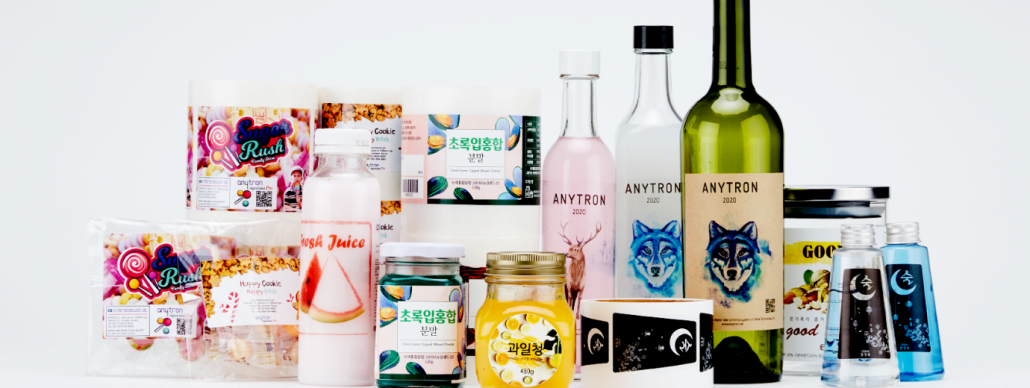
The surge in digital label printer adoption is driven by various end-use industries, including manufacturing, transportation and logistics, and retail. These industries are increasingly recognizing the benefits of digital label printers, thus boosting the demand for label printers worldwide.

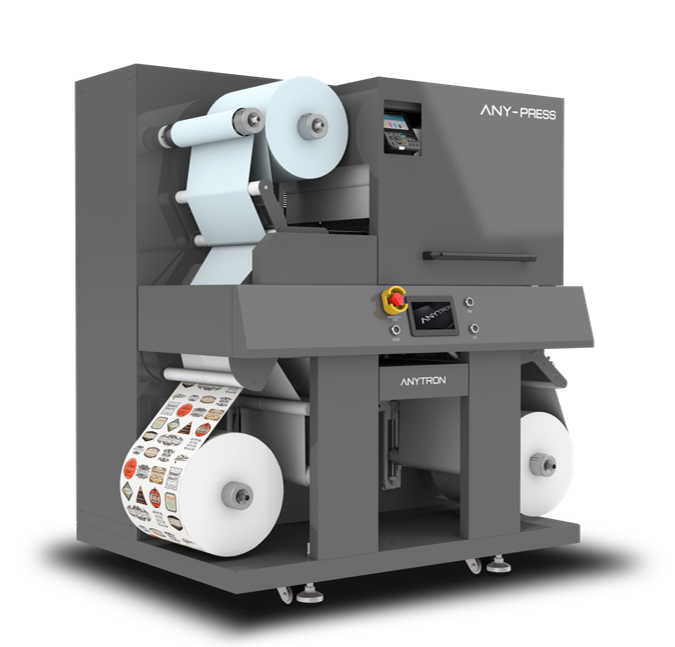
The increasing demand for printing machinery is a key driver of the label printers market’s growth. Label printers have a unique role, as they are designed to print on self-adhesive label materials and tags, setting them apart from regular printers. Their specialized feed mechanism allows them to handle rolled or tear sheet stock, enabling quick printing of small label quantities. This efficiency significantly improves productivity and operational efficiency in various industries.
Empowering Businesses: The Versatility of Label Printers
Label printers are the ideal solution for individuals and businesses seeking to create labels for various purposes. They offer a cost-effective alternative to outsourcing label printing tasks to third-party providers. Moreover, label printers provide high-quality printing and rapid turnaround times, making them the preferred choice for businesses with diverse labeling needs.
Expanding Horizons: Label Printers in Diverse Applications
The applications of label printers continue to expand across various sectors, including supply chain management, packaging labels, fixed assets, retail price marking, and laboratory specimen marking. These developments are poised to drive substantial growth in the global label printers industry, with projections indicating a 1.5-fold expansion of the market’s current value during the forecast period.
Choosing the Right Finishing Process: In-line vs. Off-line
If you have experience with label printing, you’ve likely pondered how to cut the printed labels at some point. When contemplating a label production workflow, it’s crucial to reevaluate the in-line and off-line options for finishing.
The finishing process is vital for converting labels into the final product, and choosing the appropriate finishing method requires a clear understanding of the distinctions between in-line and off-line approaches. In this context, let’s delve into the pros and cons of each method to assist you in making an informed decision.
Efficiency and Seamlessness: In-line Finishing
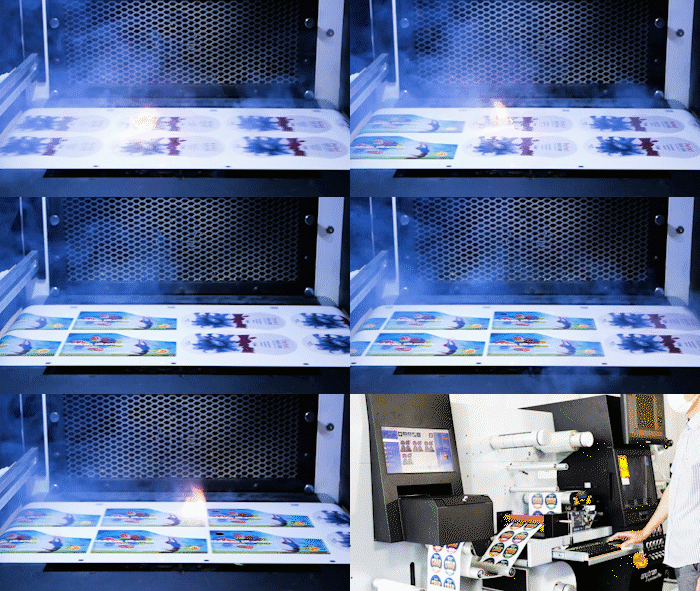
In the world of label printing, choosing the right finishing process is crucial. In-line finishing offers unmatched efficiency and seamlessness, seamlessly integrating printing and finishing for standardized product lines. Automation minimizes errors and ensures precision, making it ideal for high-volume, similar printing needs. While it doesn’t significantly boost throughput, its reliability and consistency make it a preferred choice for businesses aiming for excellence.
Adaptability and Versatility: Off-line Finishing
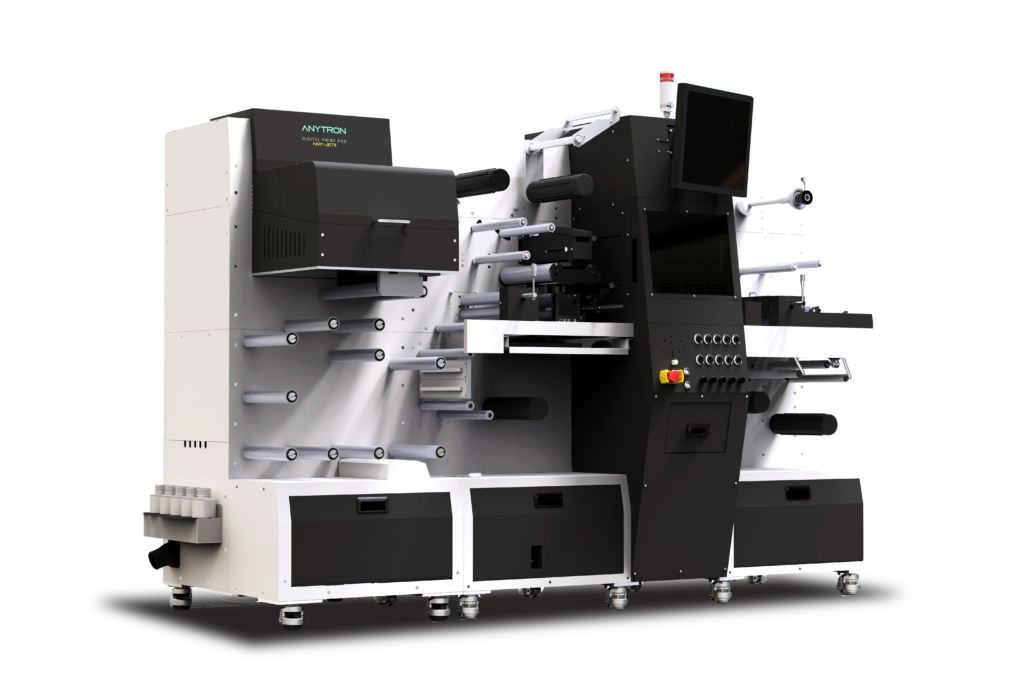
In contrast, off-line finishing provides valuable versatility. Although it might seem slower and manual, it eliminates the risk of a single weak link disrupting the entire process. Off-line solutions are perfect for businesses with diverse product lines, offering flexibility and adaptability to handle various printers and requirements.
Balancing Integration, Flexibility, Reliability, and Cost
Ultimately, the choice between in-line and off-line finishing depends on your specific business needs, allowing you to strike the right balance between efficiency and adaptability in label production.








 https://anytron.com/wp-content/uploads/2024/04/any-jet-ii-plus-conveyor-webinarsize.png
3887
4633
anytron
https://anytron.com/wp-content/uploads/2022/05/로고_색상형.png
anytron2024-04-24 01:29:162024-04-24 01:29:16ANY-JET II plus will be unveiled: Join our Webinar!
https://anytron.com/wp-content/uploads/2024/04/any-jet-ii-plus-conveyor-webinarsize.png
3887
4633
anytron
https://anytron.com/wp-content/uploads/2022/05/로고_색상형.png
anytron2024-04-24 01:29:162024-04-24 01:29:16ANY-JET II plus will be unveiled: Join our Webinar!






