Why Anytron
You are here: Home1 > Advantages2 > Efficiency Meets Customization: Advantages of Digital Label Printing




Digital label printing, a groundbreaking innovation in the printing sector, emerged in the 1970s, transforming how labels are produced and packaging is executed. Over the years, this technology has evolved significantly, leading to increased efficiency and cost-effectiveness. Experts predict a substantial growth in the market size of digital label printing by over $126 million between 2021 and 2026.
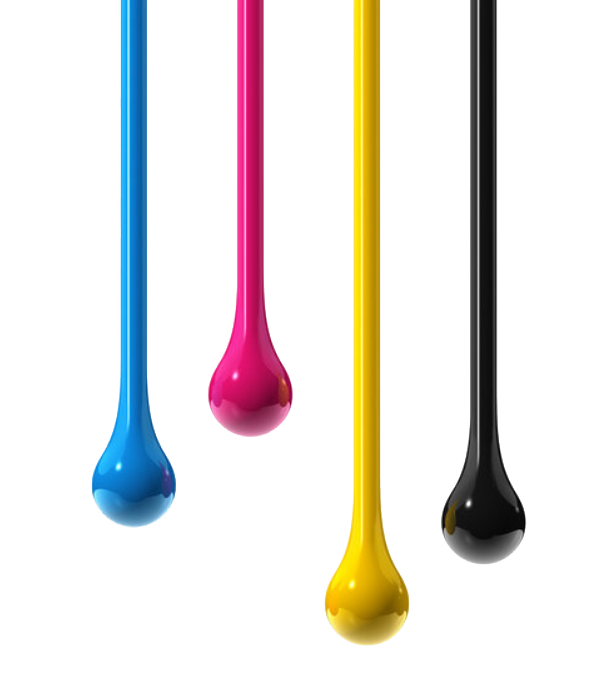
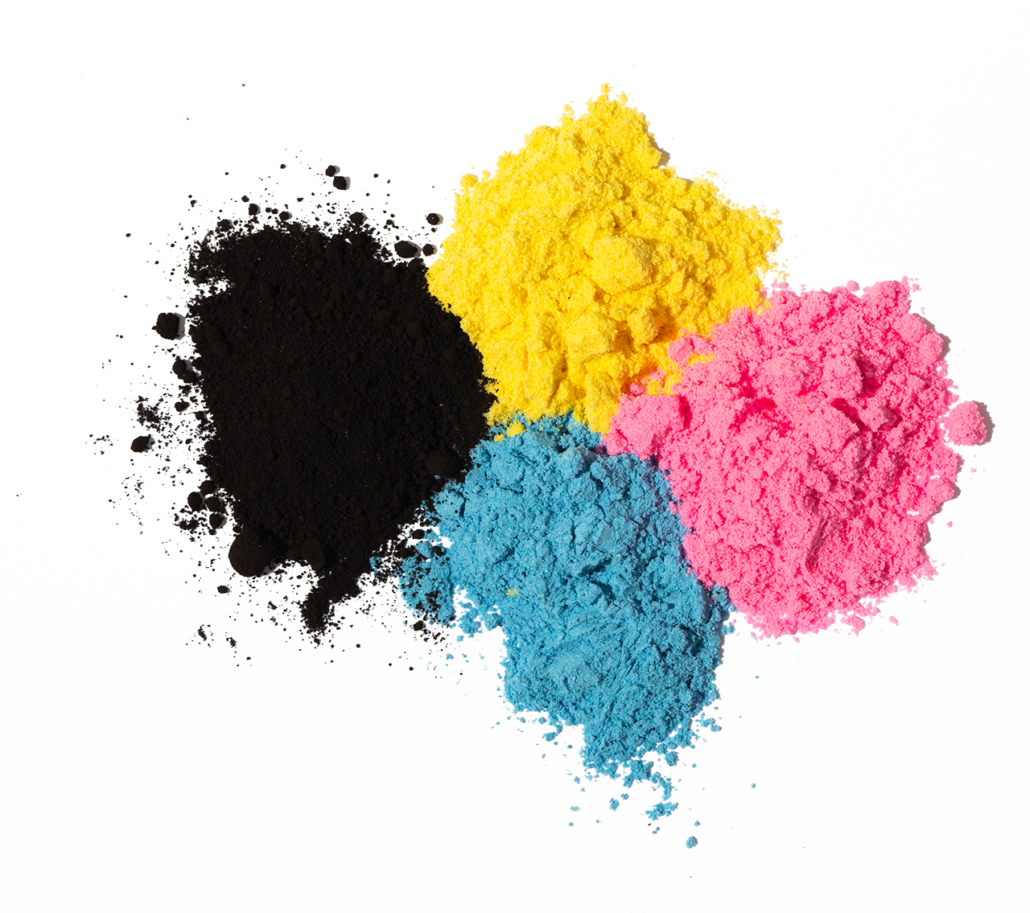
Digital label printing employs computerized programs to extract designs from digital files, eliminating the need for extensive pre-press preparation or plates. This method encompasses various types such as inkjet printing, laser printing, and solid ink printing, each serving specific purposes and offering unique advantages.
 |
 |
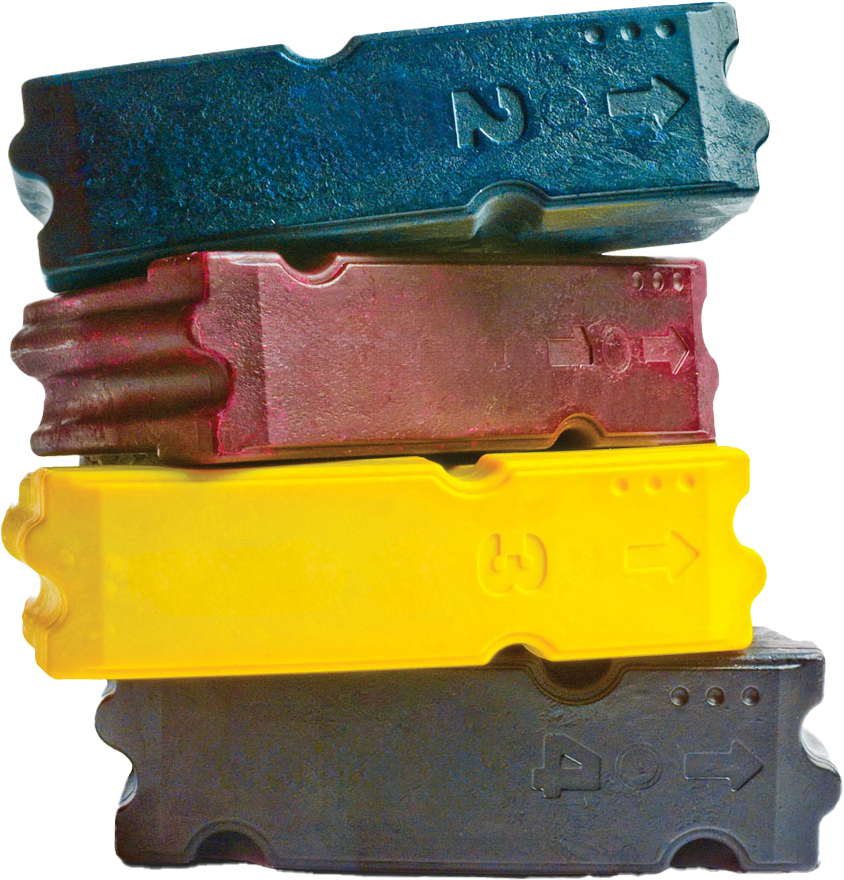 |
| INK | TONER | SOLID INK |
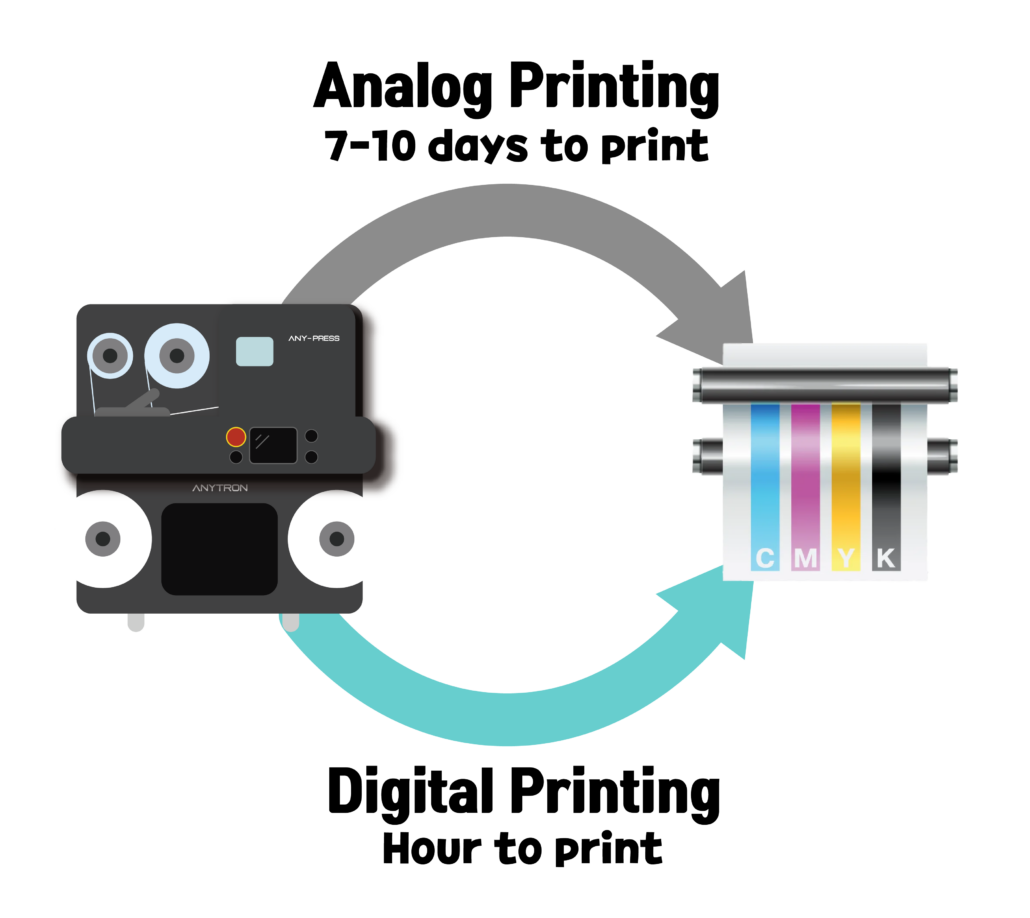
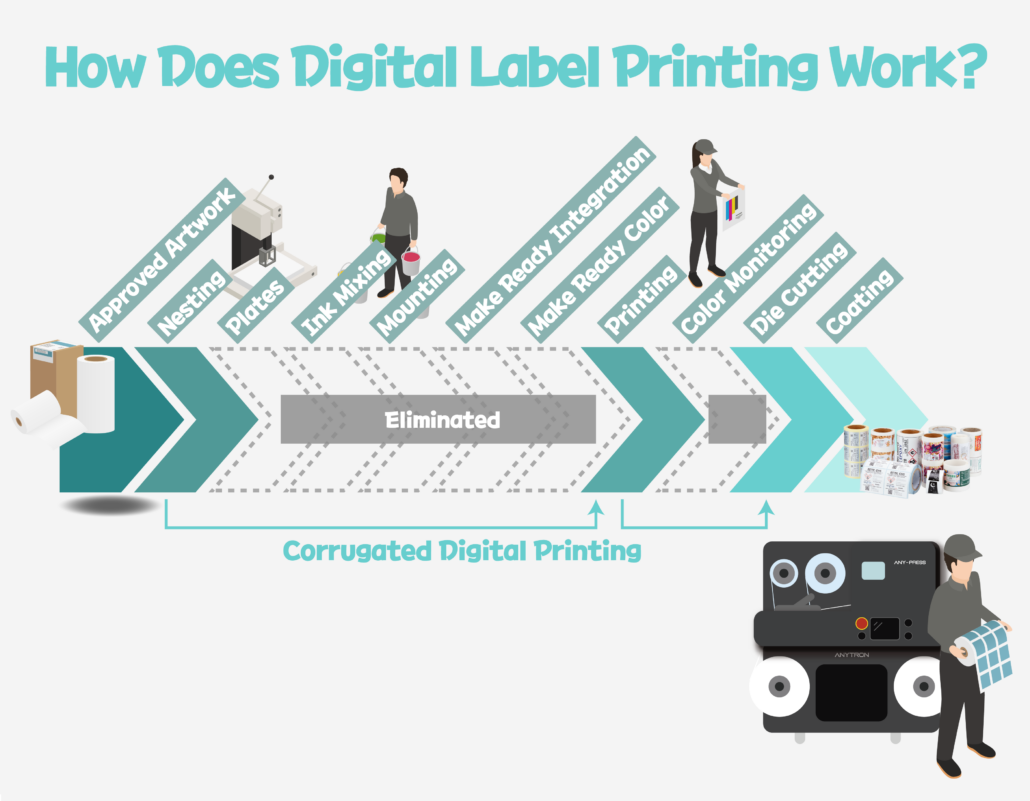

The choice between inkjet and laser label printing hinges on your distinct requirements. Inkjet technology excels in customization and color output for smaller volumes, while laser technology offers sharp print output and robustness. Thorough contemplation of your prerequisites will serve as your compass in navigating towards the most fitting label printing method for your business.
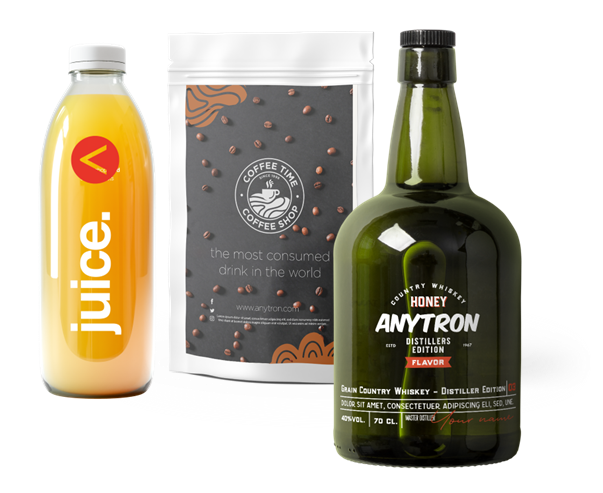
Digital label printing has revolutionized the labeling process, offering speed, customization, and efficiency. Its dynamic applications make it indispensable for industries seeking effective branding and packaging solutions. Embracing this technology can undoubtedly enhance strategies in the packaging and label-making industry.

 |
 |
 |
 |
 |
 |
 |
| Bundled RIP software with powerful variable data and color management capabilities. | High-capacity CMYK+White toner with drum support. | Integrated laminating module for immediate post-print coating. | User-friendly operation, eliminating the need for specialized personnel. | Cost-effective solution for small to medium-scale label and flexible packaging printing, promising a high return on investment. |
Incorporating ANY-PRESS into your printing processes can streamline production, enhance quality, and offer versatility in meeting customer demands.
Upgrade your label and packaging printing capabilities today with ANY-PRESS
and stay ahead in the competitive market landscape!
Learn more about ANY-PRESS CMYK+W 13inch Label&Packaging Press
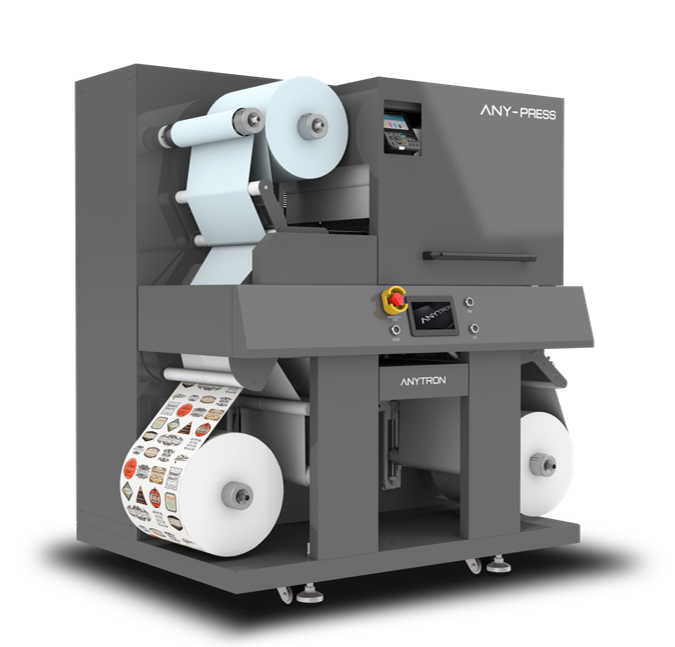 |
| CMYK+W 13inch label & packaging press
|
Request Info
 https://anytron.com/wp-content/uploads/2024/04/any-jet-ii-plus-conveyor-webinarsize.png
3887
4633
anytron
https://anytron.com/wp-content/uploads/2022/05/로고_색상형.png
anytron2024-04-24 01:29:162024-04-24 01:29:16ANY-JET II plus will be unveiled: Join our Webinar!
https://anytron.com/wp-content/uploads/2024/04/any-jet-ii-plus-conveyor-webinarsize.png
3887
4633
anytron
https://anytron.com/wp-content/uploads/2022/05/로고_색상형.png
anytron2024-04-24 01:29:162024-04-24 01:29:16ANY-JET II plus will be unveiled: Join our Webinar! https://anytron.com/wp-content/uploads/2024/04/Custom-labels-for-prep-meal_blog.png
788
940
anytron
https://anytron.com/wp-content/uploads/2022/05/로고_색상형.png
anytron2024-04-18 22:31:032024-04-18 22:50:22Custom Labels for Frozen Ready Meal or Meal Prep Packaging
https://anytron.com/wp-content/uploads/2024/04/Custom-labels-for-prep-meal_blog.png
788
940
anytron
https://anytron.com/wp-content/uploads/2022/05/로고_색상형.png
anytron2024-04-18 22:31:032024-04-18 22:50:22Custom Labels for Frozen Ready Meal or Meal Prep Packaging https://anytron.com/wp-content/uploads/2024/04/Brewexpo-americas-anytron-beer-label-thumbnail.png
788
940
anytron
https://anytron.com/wp-content/uploads/2022/05/로고_색상형.png
anytron2024-04-08 22:17:352024-04-08 22:17:35Join us at BrewExpo 2024: Leveling Up Your Beer Labeling
https://anytron.com/wp-content/uploads/2024/04/any-jet-ii-plus-conveyor-webinarsize.png
3887
4633
anytron
https://anytron.com/wp-content/uploads/2022/05/로고_색상형.png
anytron2024-04-24 01:29:162024-04-24 01:29:16ANY-JET II plus will be unveiled: Join our Webinar!
https://anytron.com/wp-content/uploads/2024/04/Custom-labels-for-prep-meal_blog.png
788
940
anytron
https://anytron.com/wp-content/uploads/2022/05/로고_색상형.png
anytron2024-04-18 22:31:032024-04-18 22:50:22Custom Labels for Frozen Ready Meal or Meal Prep Packaging
https://anytron.com/wp-content/uploads/2024/04/Brewexpo-americas-anytron-beer-label-thumbnail.png
788
940
anytron
https://anytron.com/wp-content/uploads/2022/05/로고_색상형.png
anytron2024-04-08 22:17:352024-04-08 22:17:35Join us at BrewExpo 2024: Leveling Up Your Beer Labeling
https://anytron.com/wp-content/uploads/2024/04/Brewexpo-americas-anytron-beer-label-thumbnail.png
788
940
anytron
https://anytron.com/wp-content/uploads/2022/05/로고_색상형.png
anytron2024-04-08 22:17:352024-04-08 22:17:35Join us at BrewExpo 2024: Leveling Up Your Beer Labeling
https://anytron.com/wp-content/uploads/2024/04/any-jet-ii-plus-conveyor-webinarsize.png
3887
4633
anytron
https://anytron.com/wp-content/uploads/2022/05/로고_색상형.png
anytron2024-04-24 01:29:162024-04-24 01:29:16ANY-JET II plus will be unveiled: Join our Webinar!
https://anytron.com/wp-content/uploads/2024/04/Custom-labels-for-prep-meal_blog.png
788
940
anytron
https://anytron.com/wp-content/uploads/2022/05/로고_색상형.png
anytron2024-04-18 22:31:032024-04-18 22:50:22Custom Labels for Frozen Ready Meal or Meal Prep Packaging
https://anytron.com/wp-content/uploads/2024/04/Brewexpo-americas-anytron-beer-label-thumbnail.png
788
940
anytron
https://anytron.com/wp-content/uploads/2022/05/로고_색상형.png
anytron2024-04-08 22:17:352024-04-08 22:17:35Join us at BrewExpo 2024: Leveling Up Your Beer Labeling


 Join Anytron at WestPack 2024
Scroll to top
Join Anytron at WestPack 2024
Scroll to top
